- Home
- Products
- Plastic Film Pelletizing Machine
- Woven Bag Pelletizing Machine
- Rigid Material Pelletizer
- Plastic Bottle Granulator
- Plastic Pelletizing Machine
- Compactor Pelletizing Machine
- Fabric Fiber Recycling Granulator
- PET Flakes Plastic Pelletizer
- Parallel Twin Screw Pelletizer
- Plastic Film Washing Machine
- Agglomerator/Densifier/Compactor
- PVC Pelletizer
- PET Washing Machine
- Plastic Squeezing Pelletizing Machine
- Screen Changer
- Plastic Granule Cutter
- Plastic Accessory Machinery
- Solution
- Applications
- Video
- About Us
- News
- Contact Us
- 20 Years |
- 200+ Employees |
- 10K+ Customers |
- 20K+ ㎡ Area |
- CE


How to Recycle Plastic Milk Bottles Properly: From Sorting to Regeneration
Time:2025-09-16
In today’s world where global plastic pollution is growing increasingly severe, plastic milk bottles—one of the most commonly used PET plastic packages in daily life—have gone far beyond being just “waste to be tossed away.” Their standardized recycling and reuse have become a key measure to ease environmental pressure and advance resource circulation. When we talk about how to recycle plastic milk bottles, it’s not merely about discarding empty containers properly; it’s a systematic practice that connects every link from consumers to factories, turning waste into valuable resources. The “rebirth journey” of waste plastic milk bottles—from empty bottles in people’s hands, to regenerated pellets processed in workshops, and finally to new products back in daily life—not only embodies the dual values of environmental protection and economy, but also showcases the profound significance of the circular economy. Recycling plastic milk bottles is thus a concrete step toward building a sustainable future, as it reduces reliance on virgin plastics and curbs pollution at the source.

To truly unlock the value of plastic milk bottles and turn them from waste into “treasures,” mastering a standardized recycling process is essential—and this is a core part of understanding how to recycle plastic milk bottles. The process is not a simple matter of collection and transportation; it consists of five closely linked, standardized steps that ensure the purity and quality of the final recycled products:
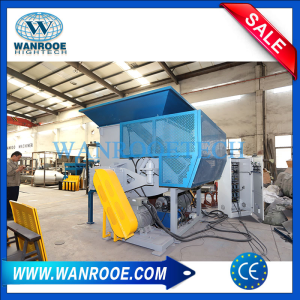
1.Crushing: Collected empty plastic milk bottles are first sent to professional crushing equipment, where they are cut into 2-5 cm plastic fragments. This step is critical for recycling plastic milk bottles because it increases the contact area of the plastic with subsequent processes, making label separation and cleaning easier. It also significantly reduces the volume of the bottles, saving transportation and storage costs while boosting the efficiency of preliminary treatment. Without proper crushing, the following steps for recycling plastic milk bottles would be far more difficult and inefficient.
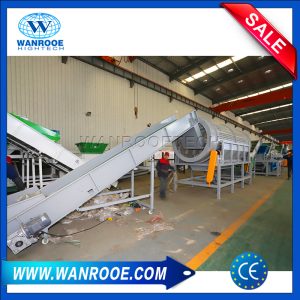
2.Label Separation: The paper or PP plastic labels on plastic milk bottles are made of different materials from the PET bottle bodies. If these labels are not removed, they will seriously affect the quality of the recycled products. Therefore, a paper-plastic separator is used to completely strip off the labels and eliminate impurities, ensuring the purity of the plastic raw materials. This step directly impacts the value of the final recycled pellets, as impure materials would make the recycled plastic milk bottles unsuitable for high-quality reuse.
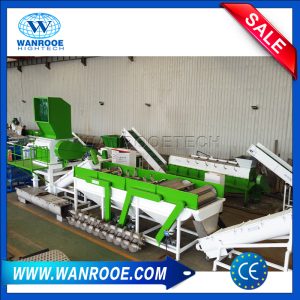
3.Deep Cleaning: The crushed plastic fragments are placed into a cleaning tank, soaked and stirred with “warm water + eco-friendly detergent,” then subjected to spray and friction cleaning to fully remove milk residues, oil stains, and other contaminants left inside the original plastic milk bottles. This step is the key to determining the “cleanliness” of the final plastic pellets. For anyone learning how to recycle plastic milk bottles, it’s vital to understand that incomplete cleaning will not only lower the regeneration value but may even render the pellets unusable, as contaminants can damage subsequent processing equipment and compromise product quality.
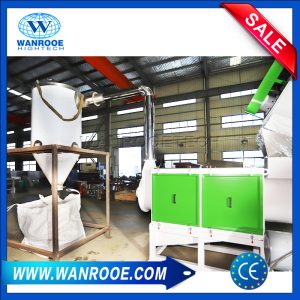
4.Dehydration and Drying: After cleaning, the plastic fragments contain a lot of water. They are first spun dry by a centrifugal dehydrator to remove surface moisture, then dried with hot air to reduce the water content to below 1%. This step is indispensable for recycling plastic milk bottles: it prevents the formation of “bubbly pellets” during granulation, reduces the energy consumption of the granulator, and improves production efficiency. Dry fragments are the foundation for producing high-quality recycled plastic raw materials from plastic milk bottles.
5.High-Temperature Granulation: The dried plastic fragments are fed into an extrusion granulator, where they are melted into a plastic melt at 180-220°C. The melt is then extruded through a mold into thin plastic strips, which are cooled and cut into cylindrical pellets with a diameter of 2-3 mm by a pelletizer. At this point, waste plastic milk bottles are officially transformed into “recyclable plastic raw materials,” marking the successful completion of the core processing phase in how to recycle plastic milk bottles. These pellets can then be used to manufacture a wide range of new products.
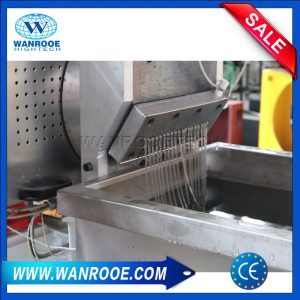
These recycled PET plastic pellets, with their high purity and strong stability, breathe new life into plastic milk bottles by being widely used in various fields. In daily life, common items like plastic flower pots, storage boxes, toy parts, and plastic hangers often contain materials from recycled plastic milk bottles. In the packaging industry, they are processed into non-food contact packaging such as express buffer materials and industrial packaging films, providing eco-friendly solutions for logistics and manufacturing. In textiles, the pellets are melted to make polyester fibers, which are then used to produce curtains, carpets, sportswear, and other fabrics—realizing a “cross-border transformation” from plastic milk bottles to clothing. Even in the construction sector, when mixed with other plastics, these recycled pellets can be made into plastic pipes and floor tiles, injecting green vitality into the building industry. This closed-loop application—”from waste plastic milk bottles to new products”—not only reduces dependence on virgin plastics but also maximizes the resource value of every plastic milk bottle.
The significance and value of recycling plastic milk bottles extend far beyond resource reuse. From an environmental perspective, recycling 1 ton of plastic milk bottles can reduce carbon dioxide emissions by approximately 7.4 tons—equivalent to lightening the Earth’s “greenhouse gas burden” significantly and contributing to global “dual carbon” goals. It also saves about 0.8 tons of petroleum resources, easing the strain on fossil fuel supplies. More importantly, recycling plastic milk bottles prevents them from ending up in landfills or natural environments, reducing plastic pollution to soil and water sources and protecting the habitats of animals and plants. Economically, the market demand for recycled plastic pellets is stable, and their raw material costs are much lower than those of virgin plastics. This not only brings sustainable profits to recycling enterprises and creates jobs but also helps downstream plastic product manufacturers cut raw material costs and enhance market competitiveness—forming a virtuous cycle where “environmental protection drives the economy, and the economy supports environmental protection.” Socially, promoting how to recycle plastic milk bottles and encouraging public participation helps people develop the habit of waste sorting, raises environmental awareness, and embeds the concept of “resource circulation” in public consciousness, further advancing the adoption of green lifestyles across society.
Every time we standardize the recycling of a plastic milk bottle, we make a small but meaningful contribution to environmental protection. As technologies for recycling plastic milk bottles advance and public environmental awareness grows, the “circulation rate” of plastic packaging—especially plastic milk bottles—will continue to rise. In the future, “no waste of resources and no spread of pollution” will become the norm, and the recycling of plastic milk bottles will remain a vital part of building a green, sustainable global home.
Related Videos
Leave a Reply